
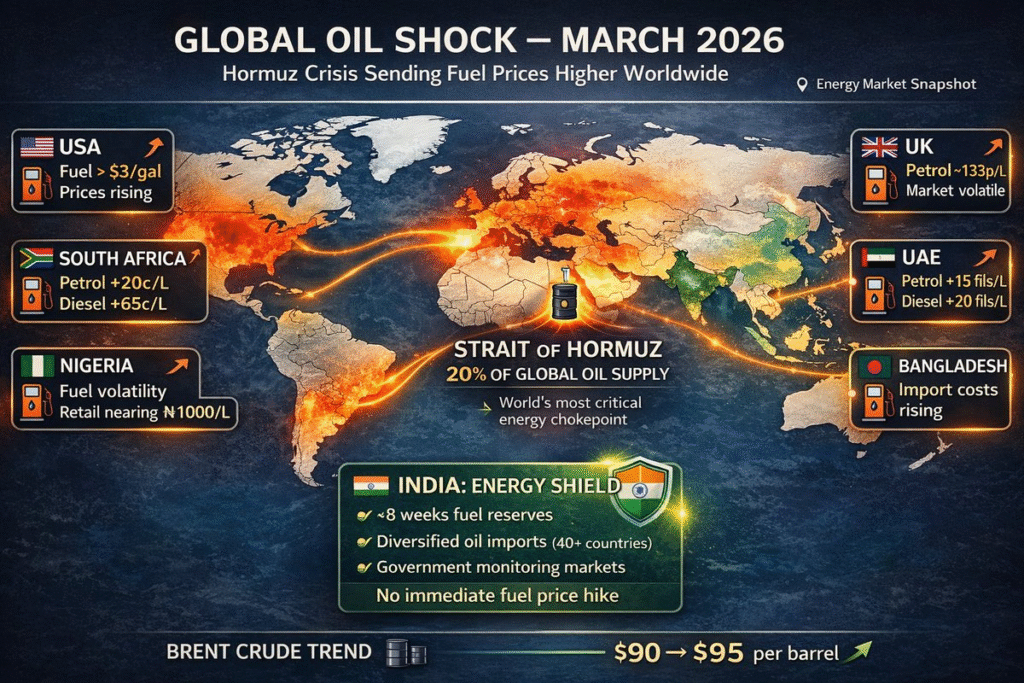
In 2026, the world is witnessing a growing energy crisis that is affecting fuel prices, cooking gas supplies, and international travel costs. Rising oil prices and supply chain disruptions are already impacting airlines, tourism businesses, and travelers across the globe.
If you are planning a trip this year, understanding how the global LPG and oil situation affects travel can help you save money and avoid unexpected problems.
Why the World Is Facing an LPG and Oil Crisis
Several global factors are contributing to the current energy situation:
1. Geopolitical tensions
Conflicts and political instability in key oil-producing regions have disrupted supply routes.
2. Supply chain disruptions
Important shipping routes used for transporting crude oil and LPG are facing delays and security concerns.
3. High global demand
After the travel recovery post-pandemic, fuel demand from airlines and industries has increased significantly.
Because of these factors, oil prices have increased globally, directly affecting multiple sectors including transportation and tourism.
How the LPG Crisis Is Affecting Daily Life
LPG (Liquefied Petroleum Gas) is widely used for cooking and small businesses like restaurants and street food vendors
Due to supply pressure:
- LPG cylinder prices are increasing in many countries.
- Small food businesses are experiencing higher operating costs.
- Some regions are seeing temporary supply delays.
For travelers, this could mean higher food prices at restaurants and local eateries in certain destinations.
Rising Oil Prices Are Changing the Travel Industry
The travel sector is one of the most fuel-dependent industries. As oil prices rise, several changes are happening.
Higher Flight Ticket Prices
Jet fuel is one of the biggest expenses for airlines. When oil prices increase, airlines usually respond by increasing ticket prices or adding fuel surcharges.
Travel experts predict airfare prices may increase in many international routes during 2026.
Changes in Flight Routes
Some airlines are adjusting routes to avoid risky airspaces or reduce fuel consumption. This could lead to:
- Longer travel times
- Reduced flight frequency
- Slight changes in flight schedules
Impact on Tourism Costs
Higher energy costs affect multiple aspects of travel:
- Transportation
- Tour operations
- Hotel operations
- Cruise ships
This means the overall cost of travel may gradually increase if the energy crisis continues.
What Travelers Should Do During the Energy Crisis
Despite the challenges, traveling in 2026 is still possible with proper planning. Here are some smart travel tips:
Book flights early
Airline prices tend to increase closer to the travel date when fuel costs rise.
Choose flexible travel dates
Mid-week flights are often cheaper than weekend flights.
Consider nearby destinations
Shorter flights or road trips can reduce travel costs.
Monitor fuel and travel news
Energy prices can affect airline fares quickly.
Opportunities for Budget Travelers
Interestingly, energy crises sometimes create unexpected travel deals.
Airlines and hotels occasionally offer:
- Discount packages
- Last-minute deals
- Promotional fares
Travelers who stay flexible and monitor deals can still find affordable trips.
The Future of Travel in a Changing Energy World
The global energy situation is also encouraging the travel industry to look for long-term solutions.
Airlines and governments are investing in:
- Sustainable aviation fuel
- Electric transport
- Renewable energy sources
These innovations could make travel more sustainable and less dependent on traditional oil in the future.
Final Thoughts
The global LPG and oil crisis is a reminder that energy, travel, and global events are closely connected. While rising fuel prices may affect travel costs, careful planning and smart booking strategies can still make travel enjoyable and affordable.
For travelers in 2026, staying informed and planning ahead will be the key to exploring the world despite rising energy challenges.




Leave a Reply