
The UNESCO World Heritage Committee has added 26 new properties across the globe to its 2025 World Heritage List — including India’s Maratha Military Landscapes, making it India’s 44th site to receive this global honor. www.ndtv.com+2The Times of India+2
The Maratha Military Landscapes encompass 12 historic forts across Maharashtra and Tamil Nadu, showcasing defensive architecture from the 17th to 19th centuries. These forts stand as living symbols of strategy, resilience and heritage. The Times of India+1
Travel and heritage lovers have a reason to celebrate!
The UNESCO World Heritage Committee has announced 26 new World Heritage Sites for the year 2025, and among them is India’s proud addition — the Maratha Military Landscapes.
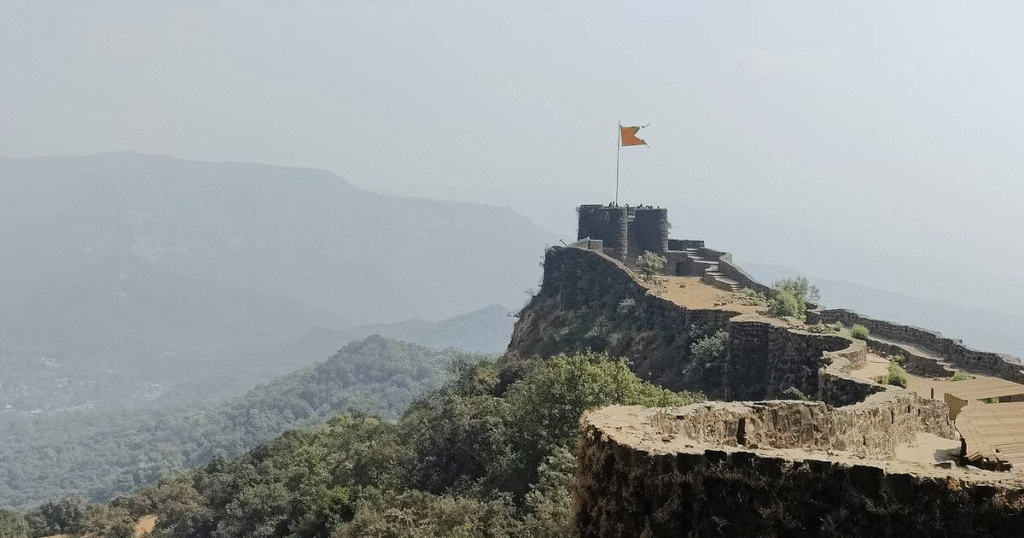
This inclusion not only brings global recognition to India’s architectural brilliance but also strengthens its position as a cultural travel hub. For tourists, this is an exciting opportunity to explore forts, landscapes, and heritage trails that tell the story of one of India’s most powerful dynasties — the Marathas.
What Are the Maratha Military Landscapes?
The Maratha Military Landscapes are a group of 12 iconic forts spread across Maharashtra and Tamil Nadu, built between the 17th and 19th centuries.
- These forts highlight the strategic brilliance of the Maratha rulers.
- Constructed in diverse terrains — coastal areas, hilltops, valleys, and dry lands.
- Designed to defend against both Mughal and British invasions.
- Each fort represents a unique adaptation of military architecture to its geographical setting.
Some of the key forts include:
- Raigad Fort – Capital of Chhatrapati Shivaji Maharaj
- Pratapgad Fort – Known for the historic battle against Afzal Khan
- Sinhagad Fort – Famous for its natural defenses and the valor of Tanaji Malusare
- Shivneri Fort – Birthplace of Shivaji Maharaj
UNESCO’s Recognition
According to UNESCO, the forts showcase “exceptional testimony to the Maratha rule and their cultural, military, and political achievements”.
This makes the Maratha Military Landscapes India’s 44th UNESCO World Heritage Site, adding to an already prestigious list that includes:
- Taj Mahal
- Ajanta & Ellora Caves
- Hampi
- Jaipur City
- Darjeeling Himalayan Railway
Why This Matters for Tourism
The inclusion is not just a recognition it’s a travel game-changer.
1. Boost in Heritage Tourism
Travelers from around the globe will now have these forts on their bucket list. Expect an increase in international arrivals to Maharashtra and surrounding regions.
2. Local Economy Growth
Guided tours, local homestays, handicrafts, and traditional food around fort regions will see an upswing. Heritage tourism often directly benefits rural communities.
3. Food Tourism Angle
Many of these fort regions are surrounded by unique Maharashtrian cuisines think pithla bhakri, zunka, misal pav, modak, and more. Tourists exploring the forts will naturally indulge in authentic local food experiences.
4. Offbeat Travel Experiences
Unlike crowded destinations like Agra or Jaipur, these forts offer offbeat heritage trails for slow travelers, trekkers, and history enthusiasts.
Global Perspective
In 2025, along with India, other countries also got new World Heritage tags. Some examples include:
- Egypt’s Oasis of Siwa
- Spain’s La Mancha windmills
- Japan’s Nakasendo Trail
This places India firmly in the global heritage spotlight.



Leave a Reply